

Additionally, privacy concerns have emerged as a topic of discussion regarding the U.S. Entity Data tool. As a public record, the information contained within the data repository is accessible to anyone, raising questions about the potential misuse of data. While transparency is essential for fostering trust in the company certificate search environment, it is equally important to balance it with the need for privacy and data protection. Striking this balance will be important as the database continues to evolve.
Moreover, the data tool plays a critical role in maintaining compliance with federal and state regulations. Companies are required to register with their respective state authorities to operate legally. This registration process not only legitimizes the business but also ensures that it adheres to the necessary legal frameworks governing its operations. The USA Entity Data repository serves as a public record of these registrations, allowing anyone to verify a business's regulatory alignment status.
Another challenge is the availability of the database. While many states have made efforts to digitize their records and make them available online, the level of availability varies significantly across the country. Some states offer user-friendly interfaces and wide-ranging search functionalities, while others may have outdated systems that hinder efficient access to details. This inconsistency can create barriers for users seeking to navigate the data repository effectively.
The benefits of utilizing an LLC entity search directory are manifold. For entrepreneurs, it is an invaluable tool for conducting background review before forming partnerships, making investments, or acquiring companies. By accessing reliable details, company entity lookup service (Bizapedia`s statement on its official blog) principals can mitigate risks and make informed decisions.
In recent years, the U.S. Entity Database has also become a useful asset for regulatory agencies and law enforcement. The details within the information repository can aid in investigations related to fraud, money laundering, and other financial crimes. By tracking the ownership and operational status of entities, authorities can uncover illicit activities and hold individuals accountable for their actions.
As technology continues to evolve, the future of LLC entity search directories looks promising. Innovations such as artificial intelligence and machine learning are being integrated into these platforms to strengthen search capabilities and improve the accuracy of details. Moreover, as more businesses move online, the demand for transparent and accessible company details is likely to grow.
Despite its numerous advantages, the USA Entity Database is not without its challenges. One of the most notable concerns is the accuracy and completeness of the data. While the database aims to provide up-to-date data, discrepancies can arise due to delays in reporting or errors in data entry. Participants must exercise caution when relying on the data and consider cross-referencing with other sources to ensure accuracy.
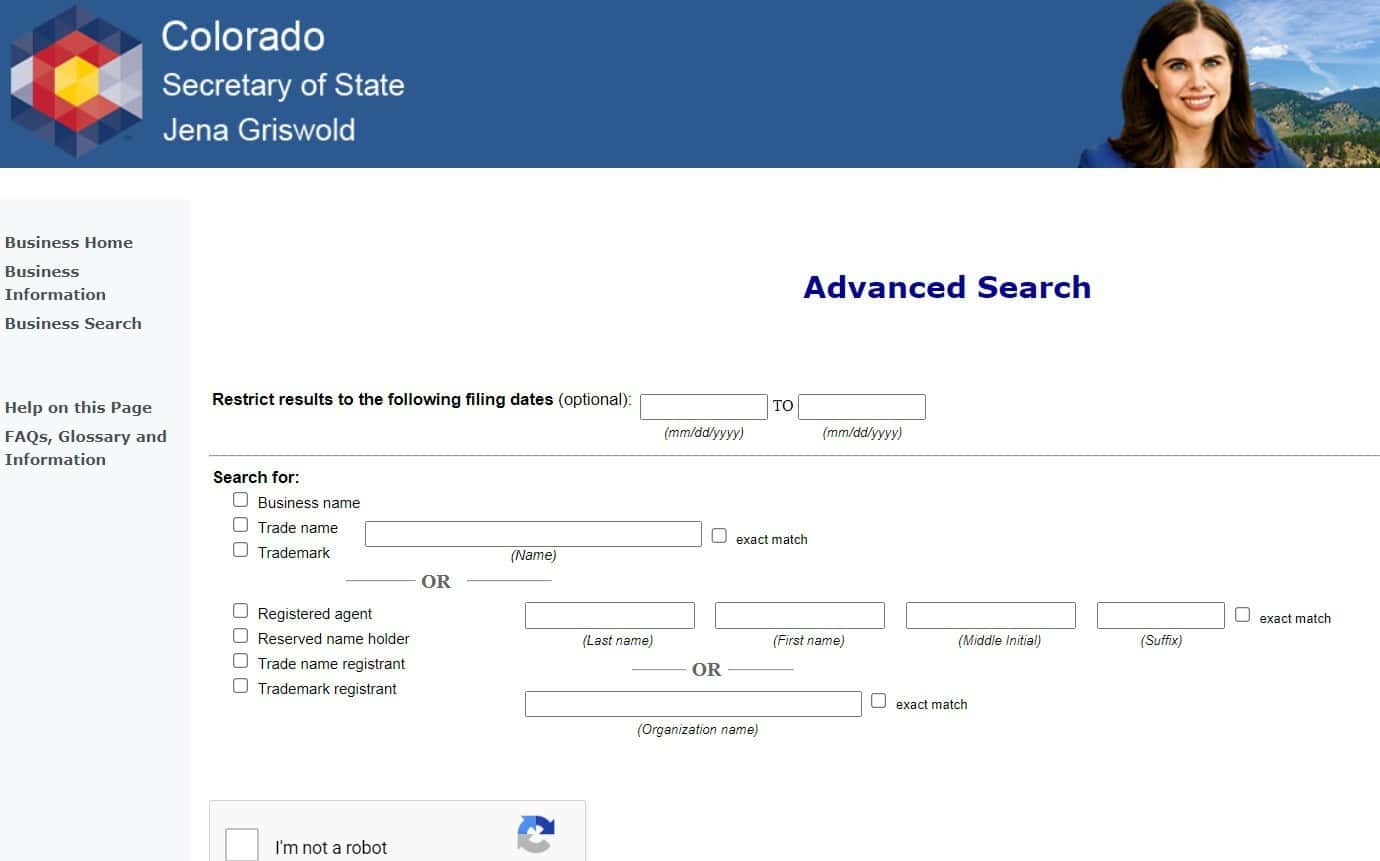
Accessing an LLC entity search directory is typically straightforward. Most states in the U.S. maintain their own online databases, where stakeholders can search for LLCs registered within that state. Additionally, there are national and commercial databases that compile data from multiple states, offering a more wide-ranging view.
The USA Entity Data repository is a centralized platform that consolidates details from numerous sources, making it easier for stakeholders to access and analyze data related to entities registered in the U.S.. This includes details such as names, addresses, registration numbers, and the nature of operations. The data reference point serves as a vital tool for due diligence, risk assessment, and regulatory alignment checks, providing stakeholders with the necessary data to make informed decisions.
To address these challenges, stakeholders in the USA Entity Data resource ecosystem must collaborate to improve data accuracy, improve ease of access, and ensure that privacy concerns are adequately addressed. This includes investing in technology solutions that streamline data collection and verification processes, as well as implementing policies that safeguard sensitive details.
One of the primary purposes of the National entity database is to facilitate business transactions and interactions. For entrepreneurs and company search utility owners, accessing this database can be extremely useful when conducting background review before entering into partnerships, mergers, or acquisitions. By verifying the legitimacy and status of potential partners or competitors, firms can mitigate risks and make informed decisions.
Regulatory changes may also impact how LLCs are registered and monitored, leading to more streamlined processes and better access to data for enterprise owners and investors alike. With the rise of remote work and the gig economy, LLCs are becoming increasingly popular, further emphasizing the need for reliable directories.