


The integration of cryptocurrency into traditional finance has accelerated in recent years, with institutional investors playing a pivotal role in bridging these two worlds. Among these institutions, BlackRock, the world’s largest asset manager with over $9 trillion in assets under management (AUM), has emerged as a significant player. This observational research article examines BlackRock’s publicly disclosed crypto assets portfolio, its strategic motivations, and the broader implications for financial markets.
BlackRock’s Cryptocurrency Holdings: A Closer Look
As of 2023, BlackRock’s exposure to cryptocurrency-related assets is primarily indirect, reflecting a cautious yet deliberate approach. While the firm does not hold Bitcoin or Ethereum directly on its balance sheet, it offers clients access to digital assets through a range of investment vehicles. Key components of its crypto-linked portfolio include:
- Bitcoin Futures Contracts: BlackRock has actively traded Bitcoin futures via the Chicago Mercantile Exchange (CME) since 2021. These derivatives allow the firm to gain exposure to Bitcoin’s price movements without holding the underlying asset, mitigating custodial and regulatory risks.
Strategic Motivations Behind BlackRock’s Crypto Moves
BlackRock’s gradual embrace of cryptocurrency reflects a multifaceted strategy shaped by client demand, technological evolution, and macroeconomic trends.
Client-Driven Demand: Surveys indicate growing interest in digital assets among institutional clients. By offering crypto-linked products, BlackRock caters to this demand while maintaining its reputation as a risk-averse manager.
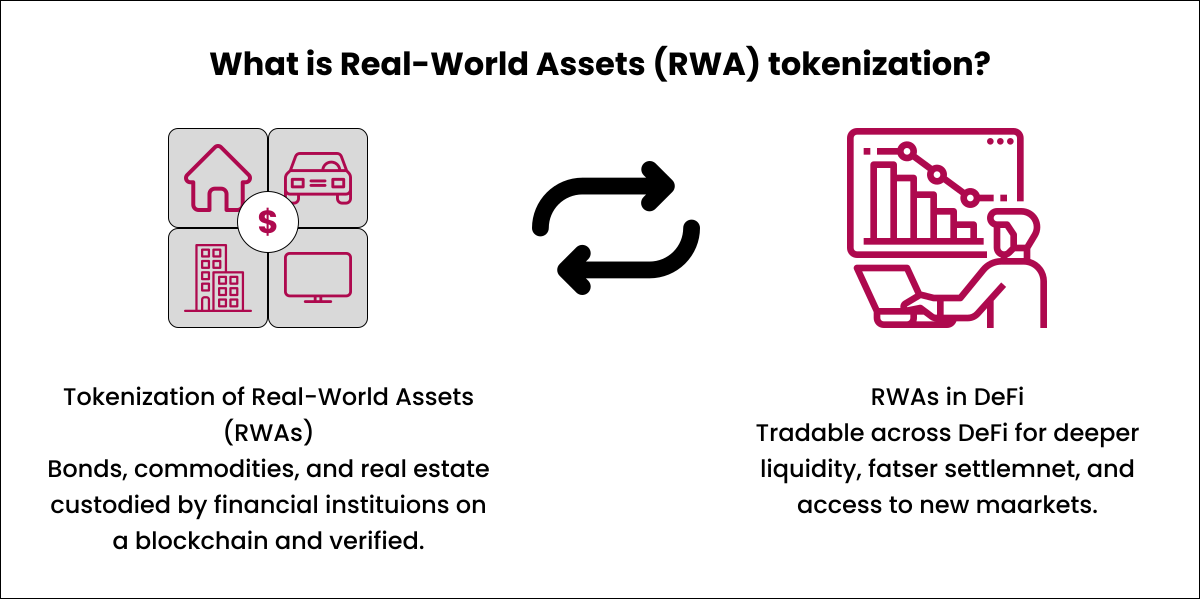
Blockchain Efficiency: The firm recognizes blockchain’s potential to reduce costs in areas like cross-border payments and asset settlement. Tokenization initiatives, for instance, aim to enhance liquidity and transparency in traditionally illiquid markets.
Hedging Inflation Risks: With Bitcoin increasingly perceived as "digital gold," BlackRock’s Bitcoin futures and ETF efforts may serve as a hedge against currency devaluation—a critical consideration amid global inflationary pressures.
Regulatory Preparedness: BlackRock’s methodical approach—prioritizing regulated instruments like futures and ETFs—suggests a strategy to navigate the uncertain regulatory landscape while establishing itself as a first-mover in compliant crypto solutions.
Market Implications of BlackRock’s Crypto Strategy
BlackRock’s involvement in cryptocurrency carries significant ramifications for both traditional finance and the crypto ecosystem.
Legitimization of Cryptocurrency: The firm’s entry lends credibility to digital assets, Rwa Blockchain Meaning encouraging other institutional players to follow suit. For instance, its Bitcoin ETF application spurred similar filings from competitors like Fidelity and Invesco.
Price Stabilization Mechanisms: By offering regulated derivatives and ETFs, BlackRock could reduce Bitcoin’s notorious volatility. Institutional participation often correlates with increased liquidity, which may dampen extreme price swings.
Accelerated Regulatory Clarity: BlackRock’s lobbying power and collaborative stance with regulators—evident in its detailed ETF filings—could expedite the establishment of clear crypto regulations, fostering market maturity.
Shift in Investment Narratives: The focus on blockchain equities over direct crypto holdings underscores a preference for "picks and shovels" investments. This trend may redirect capital toward infrastructure projects, such as decentralized finance (DeFi) platforms and custody solutions.
Risks and Challenges
Despite its strategic advantages, BlackRock’s crypto ventures face hurdles:
- Regulatory Uncertainty: The SEC’s hesitance to approve spot Bitcoin ETFs—rejecting over 30 applications since 2013—poses a roadblock. Even if approved, stringent compliance requirements could limit profitability.
The Road Ahead: BlackRock’s Role in Crypto’s Future
BlackRock’s incremental approach suggests a long-term vision for cryptocurrency integration. Key areas to monitor include:
- ETF Approvals: SEC approval of its Bitcoin ETF would mark a watershed moment, enabling mainstream adoption. Conversely, a rejection could delay institutional participation for years.
Conclusion
BlackRock’s cautious yet calculated foray into cryptocurrency underscores the asset manager’s adaptability in a rapidly evolving financial landscape. By prioritizing regulated instruments, blockchain equities, and client-centric products, the firm navigates the risks of a nascent asset class while positioning itself at the forefront of its potential transformation. While challenges remain—particularly regulatory hurdles—BlackRock’s influence could prove instrumental in bridging the gap between cryptocurrencies and traditional finance, reshaping investment paradigms for decades to come.
As the crypto market matures, BlackRock’s strategic decisions will serve as a bellwether for institutional sentiment, offering critical insights into the future interplay of digital assets and global finance.